
Ever sat by the Pensacola Bay waters watching the tide roll in, wishing you could pair that ocean-fresh breeze with the fiery, lime-drenched kick of a perfect Thai curry?
Most of us think we have to choose between eating local or eating globally. But what if you could have both?
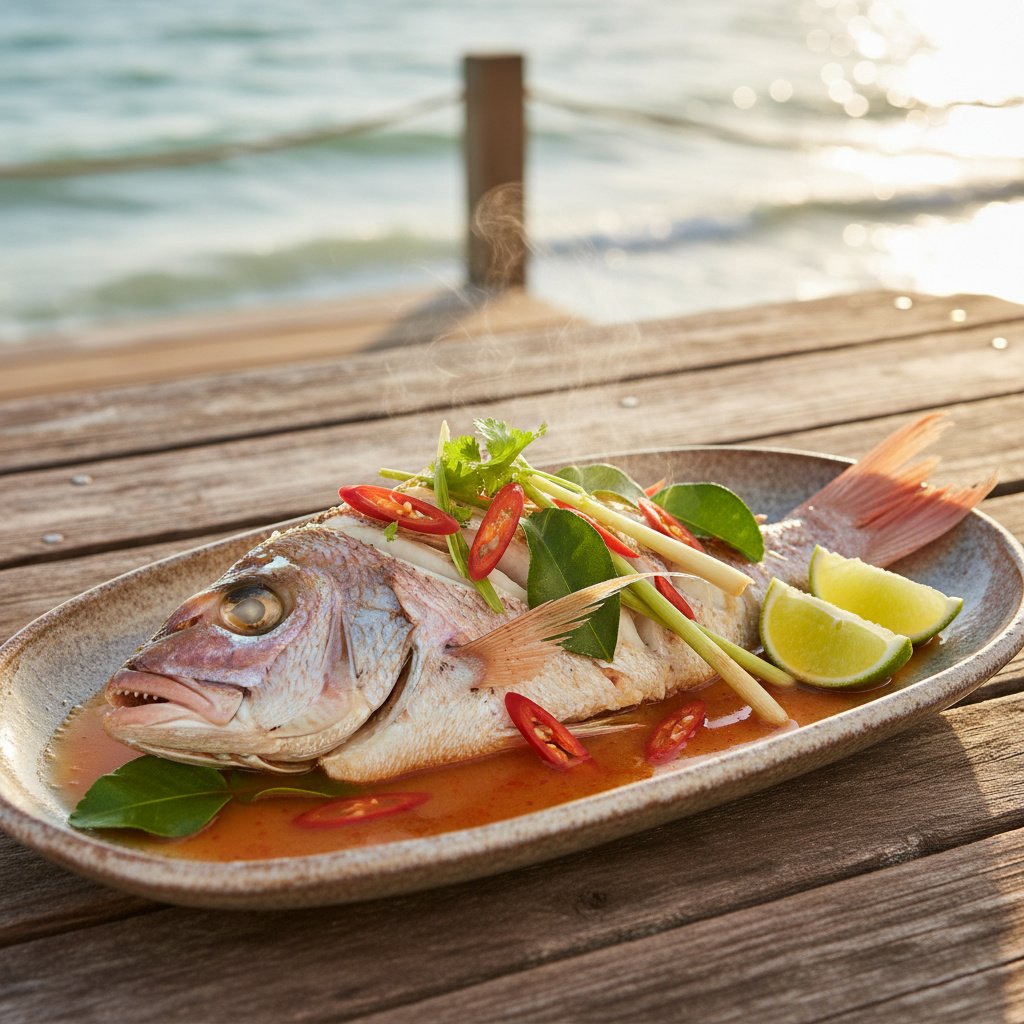
Let me tell you about a Tuesday afternoon last summer. I was standing in a bustling seafood market near Panama City, watching a local fisherman unload a heavy cooler of shimmering, crystal-eyed red snapper. The air smelled of salt, clean water, and diesel. Right then, my stomach started rumbling for a steaming plate of southern Thai Pla Nueng Mano—steamed fish with garlic, chili, and lime.
Normally, people think authentic Thai cuisine requires importing every single leaf, root, and scale from halfway across the world. But looking at that glorious, local Gulf snapper, a lightbulb went off. Why fly in frozen, imported fish when the finest seafood on the planet is swimming just off our white-sand beaches?
That afternoon, I took that snapper home. I stuffed its cavity with fresh lemongrass and bruised lime leaves, steamed it gently, and drenched it in a fiery dressing of fresh lime juice, fish sauce, garlic, and bird’s eye chilies. The result? It was hands-down one of the best homemade Thai dishes I’ve ever tasted. It was electric. It was alive. And it proved that sustainable dining isn’t just a trend—it’s the future of creative Thai cooking.
The Secret Code of Thai Flavor Architecture
To successfully fuse Gulf Coast ingredients with Thai traditions, we have to understand what makes Thai food taste truly Thai. It is NOT about rigid geographic sourcing. It is about a deeply respected science of flavor balance.
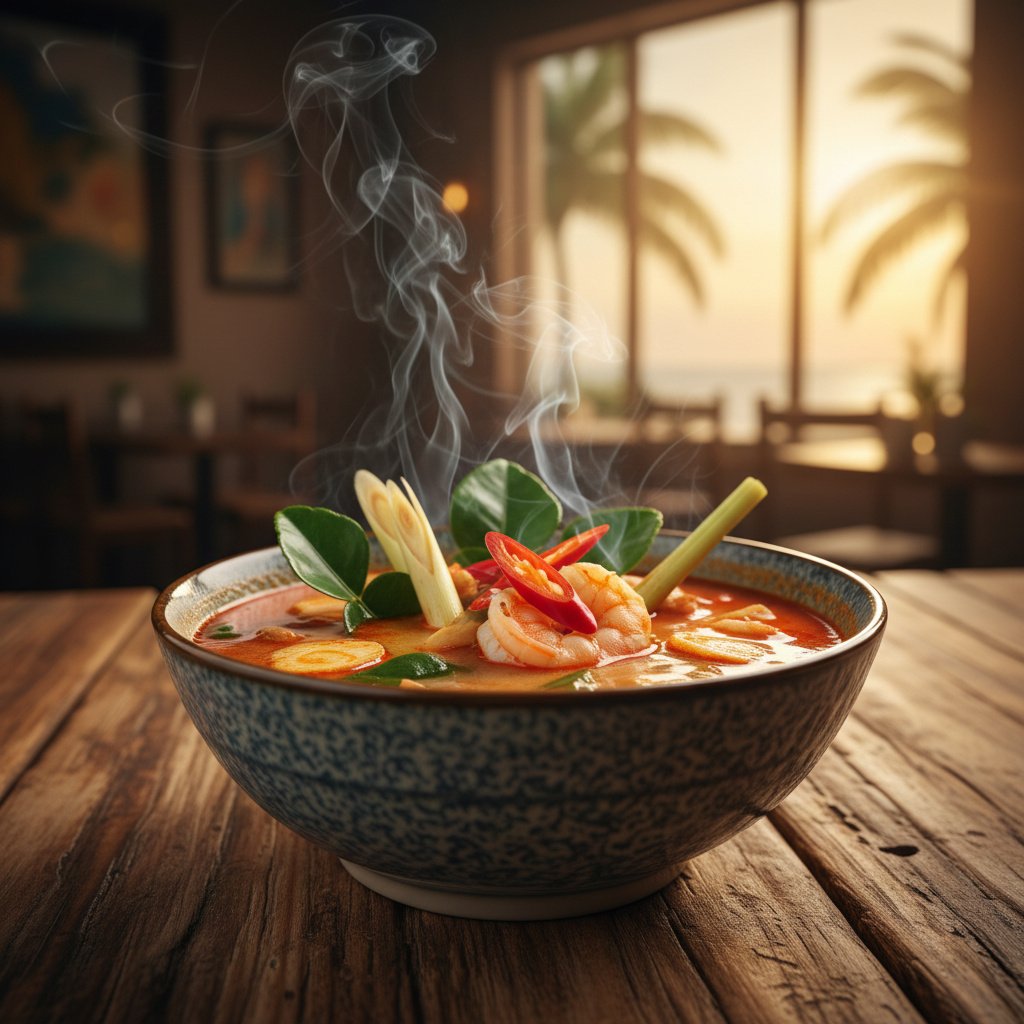
Have you ever stopped to analyze why a great Thai dish sings? It is all about the delicate dance between five core elements: sweet, sour, salty, bitter, and spicy. In southern Thailand—where coastal waters shape the daily menu—this balance is heavily anchored by fresh seafood, rich coconut milk, and punchy, aromatic herbs.
If you run an independent kitchen in Pensacola, Pace, Milton, Fort Walton Beach, or Panama City, you already have a massive head start. You have access to some of the richest waters and farming soils in the country. The trick is knowing what to keep strictly Thai and what to swap for the fresh harvest of the Florida Panhandle.
What Stays and What Can Go Local
Let’s draw a clear line in the sand. To keep your dishes tasting like authentic Thai cuisine, there is one golden rule: your pantry aromatics must remain non-negotiable.
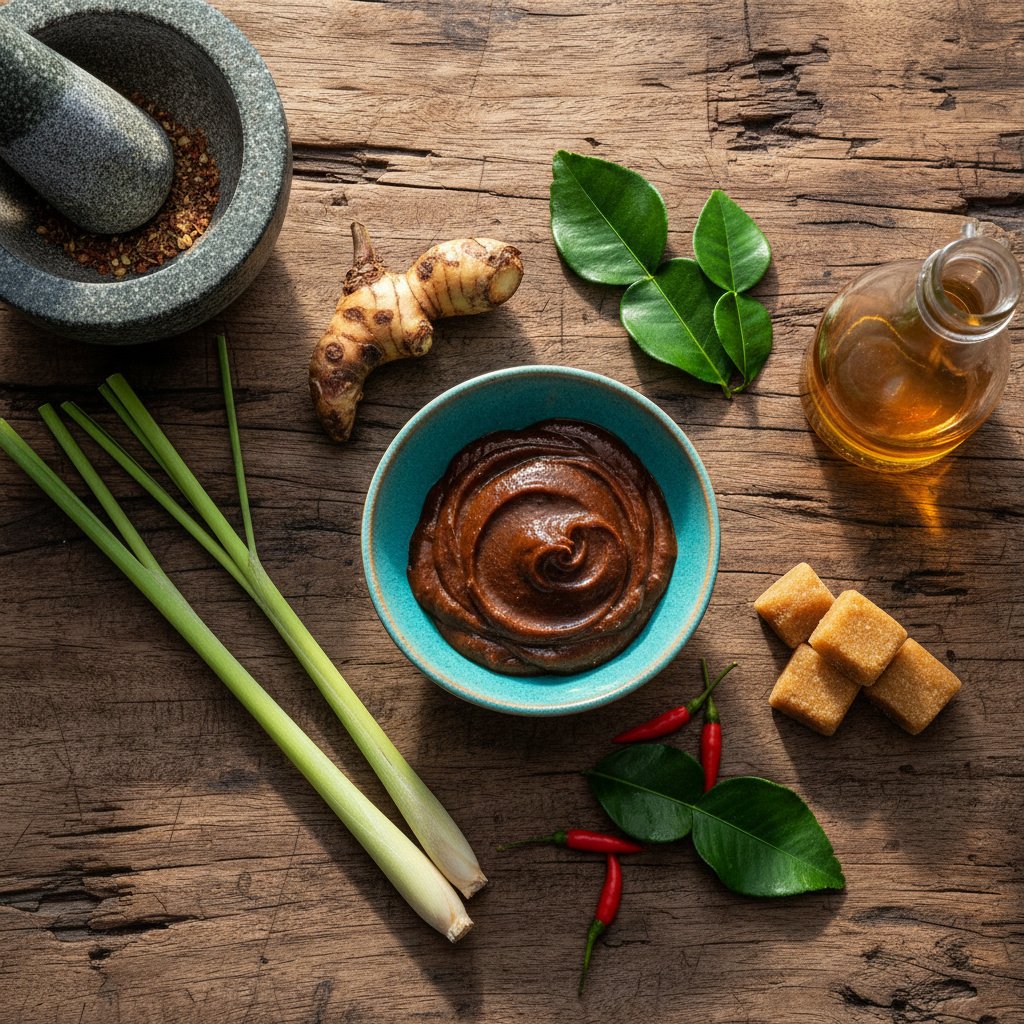
You must ALWAYS import high-quality fish sauce for that deep oceanic umami, real palm sugar for a mellow sweetness, coconut milk for body, and essentials like galangal, lemongrass, and kaffir lime leaves. These are the structural pillars of your house. If you replace fish sauce with generic salt, or kaffir lime leaves with lemon zest, the entire culinary structure collapses.
But the canvas itself? That is where you can—and must—go local.
The proteins, the seasonal vegetables, and the crisp garnishes are your variables. There is absolutely no reason to import frozen seafood when our local docks are overflowing with redfish, grouper, snapper, royal red shrimp, and sweet blue crab. By trading imported, frozen proteins for fresh-caught Gulf seafood, you instantly supercharge the quality of your menu while supporting local suppliers.
Five Gulf-to-Table Thai Masterpieces
If you are ready to experiment with creative Thai cooking in your home or restaurant kitchen, here are five irresistible concepts that marry traditional techniques with our local bounty:
1. Steamed Gulf Snapper in Chili-Lime Broth
This is a masterclass in clean, bright flavors. Take a whole, fresh-caught Gulf red snapper and stuff it with bruised lemongrass and cilantro stems. Steam it quickly over high heat. While it steams, whisk together a dressing of fresh lime juice, premium fish sauce, minced garlic, and sliced red chilies. Pour the hot dressing over the fish right as it comes out of the steamer. The clean, sweet meat of the snapper absorbs the sour-salty-spicy broth perfectly.
2. Gulf Shrimp Green Curry with Local Summer Squash
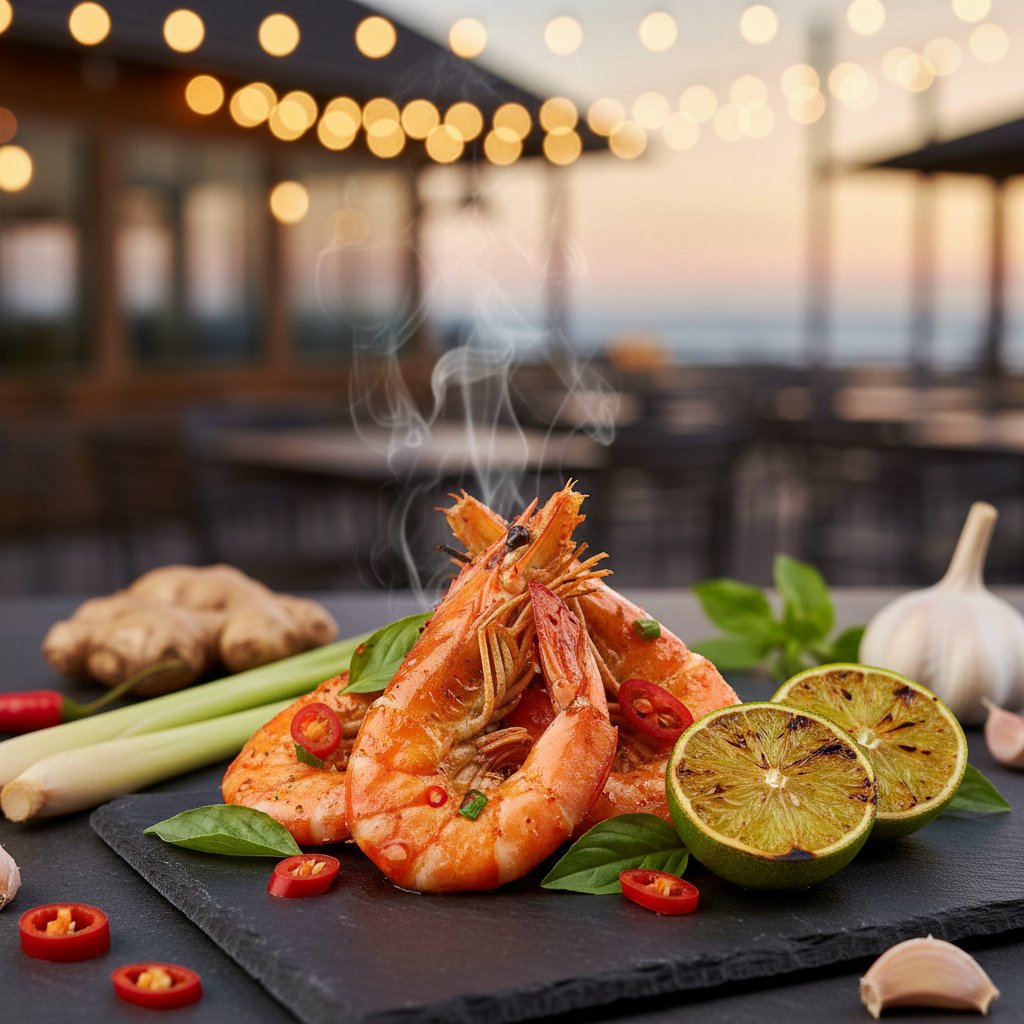
Green curry is traditionally rich and deeply aromatic. Instead of relying on imported canned bamboo shoots, head to a farmer’s market in Milton or Pace and grab some fresh zucchini, yellow summer squash, or young okra. Sauté your herbs and green curry paste in thick coconut cream, toss in the local squash, and drop in peeled Gulf shrimp during the final two minutes of cooking. The sweet, juicy pop of local shrimp pairs beautifully with the velvety heat of the curry.
3. Blackened Cobia or Grouper Larb
Larb is a magnificent Thai salad centered on mint, cilantro, red onions, lime, fish sauce, and toasted sticky rice powder (which adds a wonderful smoky crunch). While traditionally made with minced pork or chicken, it works beautifully with flaked, grilled, or pan-seared Gulf grouper or cobia. Cook the fish with a light sear to mimic the smoky street-stall kitchens of Thailand, flake it gently, and toss it with the traditional lime-herb dressing. It is light, refreshing, and perfect for hot Florida summers.
4. Sweet Gulf Blue Crab Fried Rice
A true Thai classic, Khao Pad Pu uses sweet crab meat to balance the salty, savory elements of jasmine rice wok-fried with egg and garlic. Our local blue crabs from the bay offer an incredibly sweet, delicate meat that elevates this dish to fine-dining status. Toss the crab in at the very end of your high-heat stir-fry to keep the lumps intact, and serve it with a side of prik nam pla (fish sauce sliced with spicy bird’s eye chilies) and local cucumber slices.
5. Thai-Style Oysters with Nam Jim Seafood Sauce
We cannot talk about the Gulf without talking about oysters. Skip the cocktail sauce and horseradish for one night. Instead, steam or serve raw local oysters on the half shell with a drizzle of Nam Jim Seafood—a vibrant green Thai dipping sauce made by pounding together garlic, cilantro roots, green bird’s eye chilies, lime juice, fish sauce, and a pinch of sugar. It cuts through the rich, briny creaminess of the oysters like a lightning bolt.
The Pitfalls of Lazy Fusion
A quick word of warning for the passionate chefs out there: don’t fall into the trap of lazy fusion.
True culinary creativity requires discipline. Do not over-sweeten your dishes with white sugar to cater to what you think Western palates want. Real Thai cuisine is complex, bright, and deeply savory—never, EVER cloyingly sweet.
Additionally, respect the high-heat, fast-cooking techniques of the wok. Steaming must be gentle and brief; frying must be blistering and kinetic. If you treat local ingredients with lazy, slow cooking methods, you will lose the fresh, vibrant texture that defines the best homemade Thai dishes.
Why Sustainable Dining is Good for Business
For restaurant owners in Pensacola, Fort Walton Beach, and Panama City, shifting toward local sourcing isn’t just about making great food. It is a powerful business strategy.
Today’s diners are looking for connection. They want to know where their food comes from. When you can tell your guests that the shrimp in their green curry was caught by a captain down the road, and the vegetables were harvested by a farmer just north of Interstate 10, you are selling more than a meal. You are selling a story.
Shorter supply chains mean fresher plates, less waste, and a menu that can adapt smoothly to whatever the Gulf has to offer week by week. It is a win-win for your bottom line and our local ecosystem.
Take the First Step Today
Are you ready to elevate your culinary game? Next time you are planning your weekly menu or preparing a special dinner at home, let the Gulf Coast be your guide.
Start simple. Grab some fresh Gulf shrimp, a bunch of local cucumbers, a few juicy limes, and some high-quality fish sauce. Throw together a quick, vibrant salad or stir-fry. Taste the balance. Adjust the heat.
You will quickly realize that the distance between the Gulf Coast and the Gulf of Thailand is much smaller than you think. Open up your kitchen, pack your plate with flavor, and let’s keep cooking with purpose.
Book a 15 minute discovery call to find out more today at https://digifidelis.com/calendar/

0 Comments