
I still remember a hot July evening spent sitting on a rickety wooden dock in Destin, watching the charter boats unload their sparkling catch. A friend had brought over a fresh pound of boiled Gulf brown shrimp, still steaming and smelling of the salt air. Beside us lay a plastic tub of standard, red-dye-number-forty cocktail sauce. I peeled a plump shrimp, dipped it, took a bite, and sighed. It was fine. But “fine” is a culinary tragedy when you are dealing with some of the best seafood in North America. That heavy, horseradish-laden paste did what it always does: it bullied the shrimp. It buried that clean, delicate sweetness under a blanket of aggressive spice. I couldn’t help but ask myself a simple question: what if we traded this bottle of red paste for a bright, lime-drenched, herb-flecked dipping sauce from the streets of Bangkok?
The Natural Marriage of Two Coastal Worlds
That dockside realization made it clear that fusion Thai cooking isn’t just an eccentric culinary trend; it is a match written in kitchen heaven. If you look closely at Gulf Coast flavors and classic Thai cuisine, they are practically singing the same song in different keys. Both of these food cultures are utterly obsessed with freshness, contrasting textures, and vibrant seasoning. Have you ever noticed how easily the delicate sweetness of a freshly caught snapper or crab gets lost when it is drowned in heavy breading or thick melted butter?
Traditional Southern cooking relies heavily on rich, comforting elements to coat seafood. But Thai culinary philosophy takes a completely different path. It seeks balance by layering five primary flavor profiles: sour, salty, sweet, bitter, and spicy. When you apply this balanced architecture to our local catches, magic happens. Think of our pristine local seafood as a blank canvas. The bold, aromatic ingredients of Thai cuisine—like fresh galangal, lemongrass, fish sauce, and lime—are the vibrant brushstrokes that bring the entire canvas to life. For Thai restaurant owners from Pensacola to Panama City, or passionate home cooks in Pace and Milton, understanding this pairing logic is the secret to creating menu items that feel both thrillingly exotic and deeply satisfying.
Best Thai Flavors for Gulf Shrimp
Let’s start with the undisputed king of our local waters: Gulf shrimp. Because our native wild-caught shrimp are exceptionally sweet and firm, they are the absolute best match for Thai seafood pairings. However, the biggest mistake people make in fusion cooking is overhandling the protein or burying it under heavy sauces that mask its natural quality. To create truly spectacular Gulf shrimp recipes, you must let the shrimp behave like the hero of the plate.
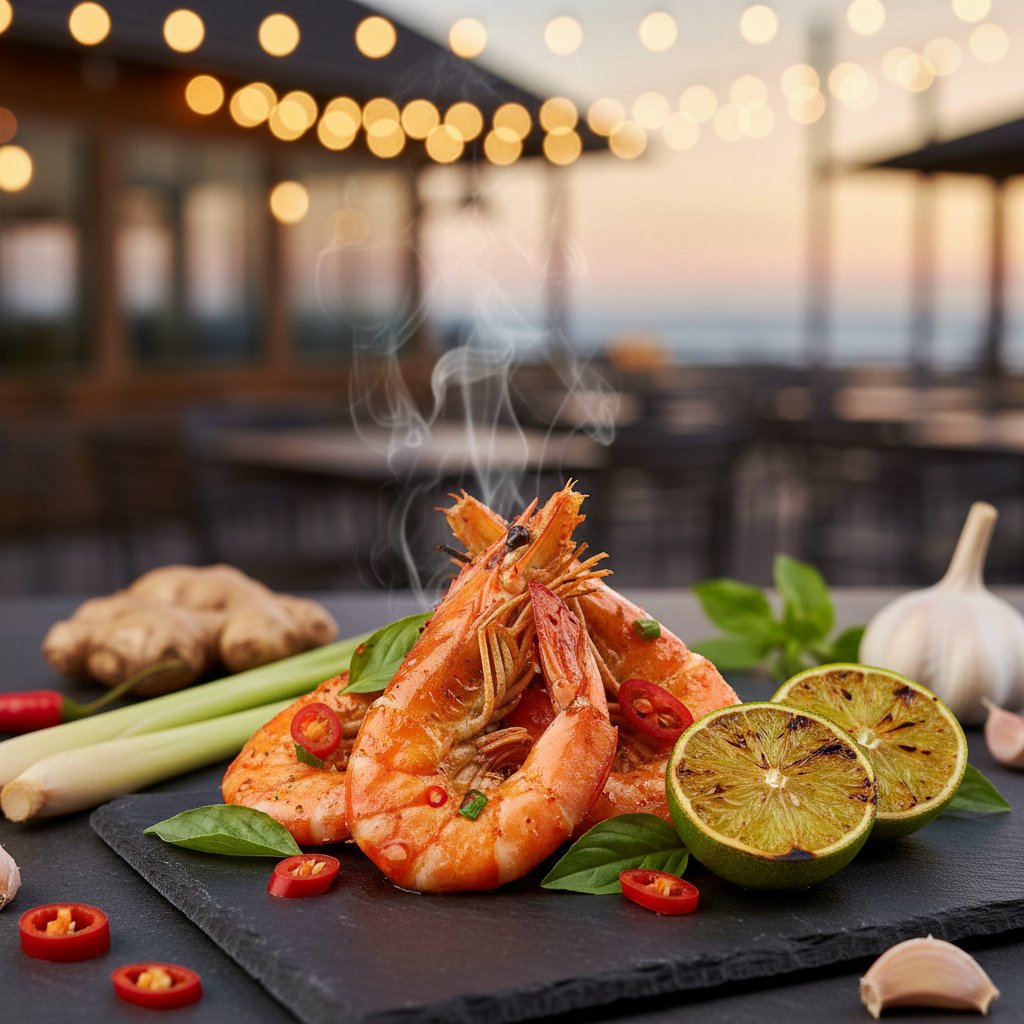
Instead of boiling them in a heavy Creole spice bag, try quick, char-grilled shrimp glazed with a lemongrass-chile reduction. As the shrimp grill over open flames, their natural sugars caramelize, creating a smoky sweetness that pairs beautifully with the citrusy punch of fresh lemongrass and a touch of palm sugar. If you are running a busy kitchen in Fort Walton Beach, you can easily elevate your classic pad Thai by swapping in freshly caught local brown shrimp. Rather than tossing them into a hot wok early where they risk turning to rubber, flash-sear them separately in a hit of garlic oil and wild ginger, then nestle them on top of the glossy, tamarind-coated noodles just before serving. The contrast between the chewy noodles and the snappy, juicy bite of local shrimp is pure texture magic.
How to Make Thai Curry Crab with Local Crab
Now, let’s talk about a true coastal treasure: local blue crab. In Southern cooking, we love to pack crab into dense, breadcrumb-heavy cakes or toss them into bubbling pots of low-country boil. But if you want a dish that will have your guests scraping their bowls completely clean, you need to introduce local crab to a vibrant Thai curry crab preparation.
The secret here lies in the pairing of coconut milk and sweet shellfish. Think of coconut milk as a rich, silky pillow that softens the sharp, stinging heat of green curry paste or bird’s eye chilies. When you fold sweet, delicate local crab meat into a gently simmering bath of yellow or green coconut curry, the fats in the coconut milk wrap around the oceanic sweetness of the crab, amplifying its flavor instead of hiding it. Throw in a handful of fresh Thai basil, a squeeze of fresh lime juice, and a sprinkle of torn cilantro right at the very end. The aromatic anise notes of the basil cut through the richness of the coconut, while the lime juice keeps the entire dish tasting high-definition. Serve this over a steaming mound of jasmin rice, or spoon it into crisp butter lettuce cups for a lighter, modern appetizer that flies off the table during a hot Floridian summer.
The Flaky Catch: Steamed Snapper and Spicy Broths
Gulf Coast diners are notoriously loyal to their local fish—and with good reason. Red snapper, grouper, and tripletail are the pride of our docks. But you do not have to put them in a deep fryer to make them taste legendary. Thai culinary techniques offer a spectacular alternative: steaming whole fish or fillets with aromatic herbs.
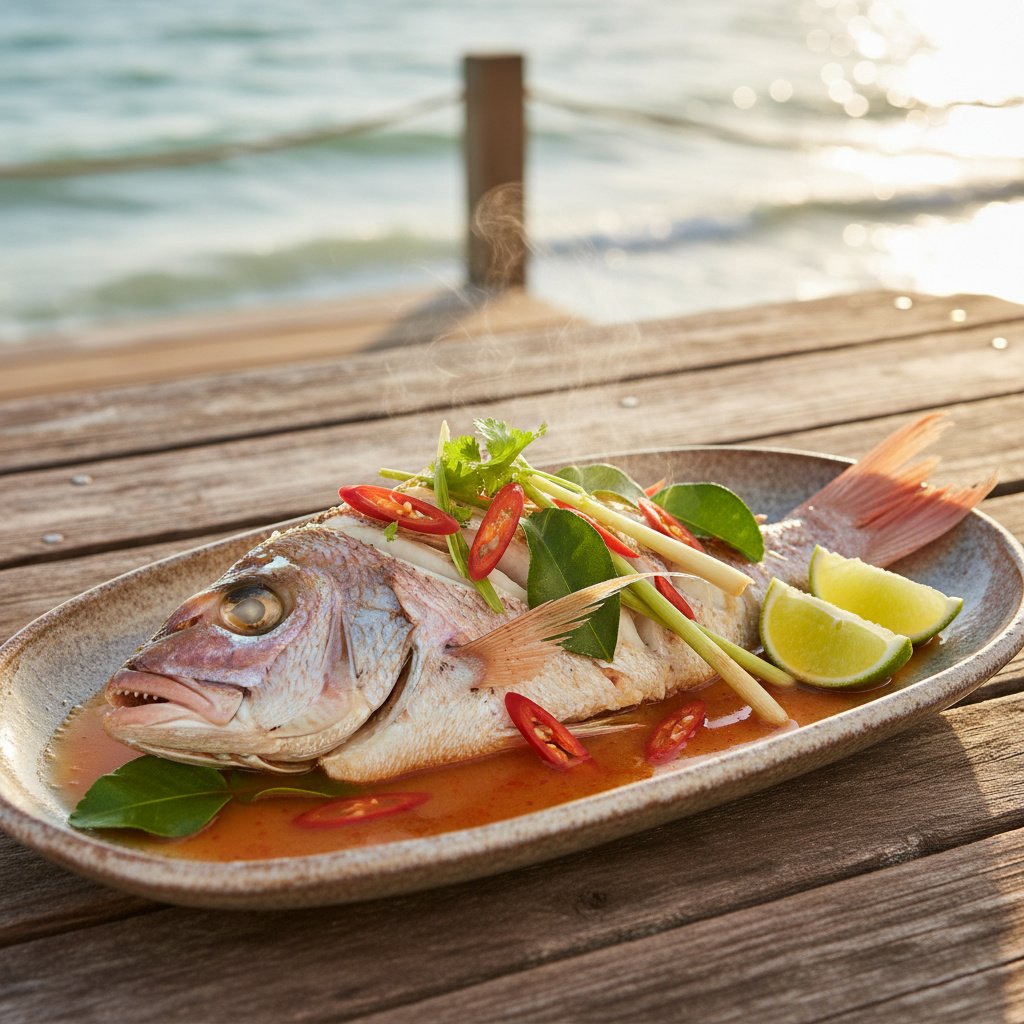
Steaming local red snapper with sliced galangal, bruised lemongrass, and crushed garlic creates an incredibly clean, aromatic profile. As the fish gently steams in its own juices, it absorbs the citrusy, woodsy aromas of the herbs beneath it. Once it is cooked to flaky perfection, finish it with a light, razor-sharp sauce made of premium fish sauce, freshly squeezed lime juice, minced garlic, and a hint of raw sugar. The saltiness of the fish sauce combined with the intense acidity of the lime acts as a natural flavor enhancer, waking up the clean, delicate oils of the snapper. It is a dish that highlights the pristine freshness of your catch first, then uses traditional Thai technique to make those flavors sing.
Smart Menu Engineering & Beverage Pairings
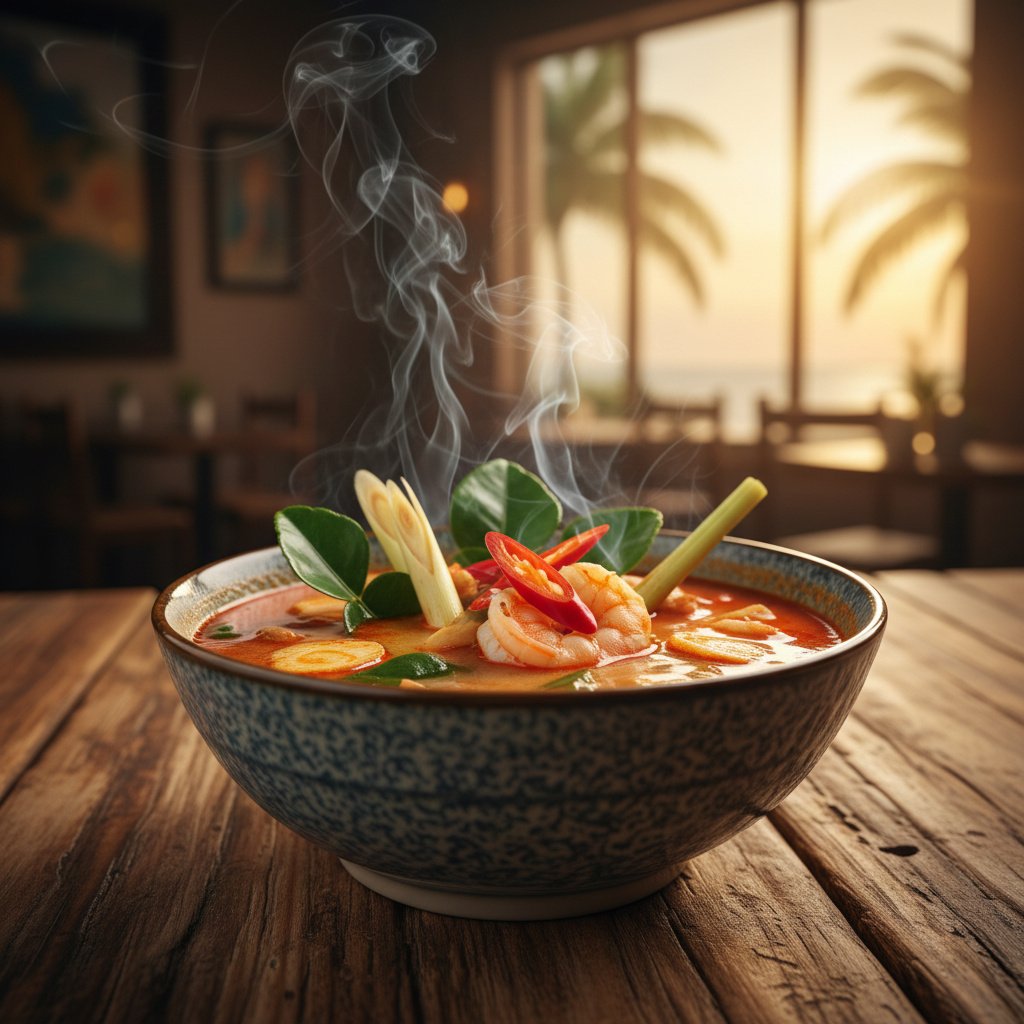
For restaurant owners across the Panhandle, embracing this style of food is also a brilliant move for your bottom line. We call this clever menu engineering: utilizing one versatile local ingredient across multiple menu items to slash food waste and keep food costs under control. A single batch of perfectly cooked Gulf shrimp can be split. Half can go into a chilled, refreshing lime-and-mint Thai shrimp salad for the lunch crowd, and the rest can be folded into a savory shrimp fried rice or a comforting red coconut curry for dinner.
To round out these stellar seafood pairings, do not forget the beverage list. While a cold lager is the traditional choice, you can seriously impress your diners by suggesting crisp white wines like a dry Riesling, a chilled rosé, or a sparkling Sauvignon Blanc. The bright acidity in these wines cuts through the richness of coconut milk and cleanses the palate after a spicy hit of chili. The next time you look at a fresh catch of Gulf Coast seafood, do not reach for the deep fryer or the tartar sauce. Grab some fresh lime, a bottle of quality fish sauce, and a handful of Thai basil. Your kitchen, and your diners, will thank you.
Book a 15 minute discovery call to find out more today at https://digifidelis.com/calendar/

0 Comments